


The cost of striking underground utilities: Why early searches matter
An underground utility strike may involve electricity, gas, water, sewerage, telecoms, fibre or other buried infrastructure – anything that goes wrong, could be expensive, dangerous and disruptive.
The direct cost might be the emergency repair. The wider cost can include site delays, plant and labour downtime, redesign work, compensation claims, road closures, customer disruption, or even reputational damage and health and safety consequences. A damaged cable, pipe or main can stop work immediately, put people at risk, interrupt services and create costs that go far beyond the repair.
The Health and Safety Executive’s guidance on avoiding danger from underground services explains that safe excavation depends on planning the work, locating and identifying buried services, and carrying out safe excavation. Utility information is therefore part of the risk-control process, rather than an optional extra.
How to avoid utility strikes
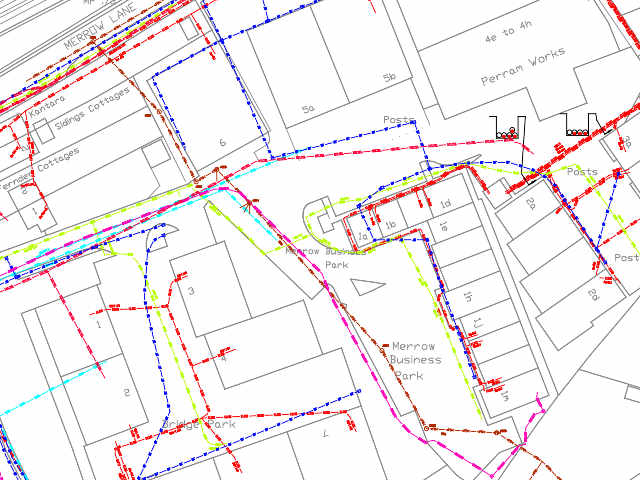
A utility search is a good place to start: an early desktop report based on utility-company records. It helps identify recorded services in and around a site before key decisions are made. That can be valuable during acquisition, feasibility, design and construction planning, because it gives the project team a first view of possible constraints.
Early searches can help show:
Which utility networks may affect the site
Whether services cross the land or sit close to proposed works
Which asset owners may need to be contacted
Whether diversions or easements may need investigation
Where a PAS 128 utility survey may be needed before excavation
The timing is important. If a utility issue is found before purchase or early design, the project can respond. The layout can change, costs can be tested, further surveys can be commissioned, and discussions with network operators can begin. If the same issue is found after work has started, the options are usually narrower and more expensive.
A utility search doesn’t remove the need for safe digging procedures. Nor does it replace an on-site utility survey where excavation, construction or detailed design is planned. Existing records can be incomplete or imprecise, so they need to be treated as intelligence rather than proof of exact location.
Even so, that first layer of intelligence is often what prevents a project from moving forward blindly. It helps teams understand where utility risks may sit before those risks become safety incidents, programme delays or unexpected costs.
In practical terms, early utility searches reduce the chance of costly surprises. They help you see what may be under or near the site, decide what needs further investigation, and plan the next stage with more confidence. If you need to understand utility risk before acquisition, design or groundworks, emapsite can help you order the right utility search report. The aim is simple: find the potential issues early, when there is still time to manage them properly.
How Emapsite can help
If you can't find exactly what you need, we can help you choose the right mapping data solution for your project via email, chat or over the phone.
For more information, reach out to our Customer Support team.
Need help with another topic? Learn more in our Knowledge Hub.
Latest News
OS NGD Explained: A beginner’s guide to Ordnance Survey’s National Geographic Database
Learn what the OS National Geographic Database (OS NGD) is, how it works, and why it matters. A simple guide to Britain’s next-generation geospatial data platform.
Read Full Article-
UK geospatial data licensing - A practical guide | OS Mastermap licensing explained
Read Full Article -
Six Location Data Challenges for Consultancies | Emapsite
Read Full Article