




Access to mapping made easy, through LSBUD searches
Safety is the priority for our utility companies. However, it’s not just gas and electricity providers that need to check what’s buried and where. Thousands of businesses, construction firms and independent builders and excavators need to understand exactly what is under the ground before they start digging.
It’s now become second nature to run a search on the LineSearchB4UDig (LSBUD) portal, in most projects. This simple check is a formative part of safe working practices. In all, 2,832,027 enquiries were submitted in 2019, with ‘emergency searches’ up by 59% over the last year and overall searches up by 10% in general.
Emapsite is a long-time LSBUD partner. We provide the mapping options that enable users to tie the results of each search to the right mapping, helping LSBUD users access just the mapping they need for the area they’re working in.
It might be surprising to find that most digging work is done on behalf of the telecoms sector, followed by the water industry and other utilities – as reported in LSBUD’s Digging Up Britain 2020 report. This in-depth look at the groundwork taking place in Britain shows the risks to our utility infrastructure in detail – the pipes and cables owned by energy, fuel, telecoms and water companies, county councils and local authorities. However, there’s also been a 10 percent increase in enquiries by private individuals and a surge by agricultural businesses – potentially due to the awareness campaigns being run currently by a number of DNOs.
The Digging Up Britain 2020 report identifies whose workers are doing most of the digging and gives an indication of the workforces most vulnerable to asset-strikes – the businesses that need mapping, clearly.
It might be surprising to find that most digging work is done on behalf of the telecoms sector, followed by the water industry and other utilities – as reported in LSBUD’s Digging Up Britain 2020 report.
This in-depth look at the groundwork taking place in Britain shows the risks to our utility infrastructure in detail – the pipes and cables owned by energy, fuel, telecoms and water companies, county councils and local authorities. However, there’s also been a 10 percent increase in enquiries by private individuals and a surge by agricultural businesses – potentially due to the awareness campaigns being run currently by a number of DNOs.
The Digging Up Britain 2020 report identifies whose workers are doing most of the digging and gives an indication of the workforces most vulnerable to asset-strikes – the businesses that need mapping, clearly.
Latest News
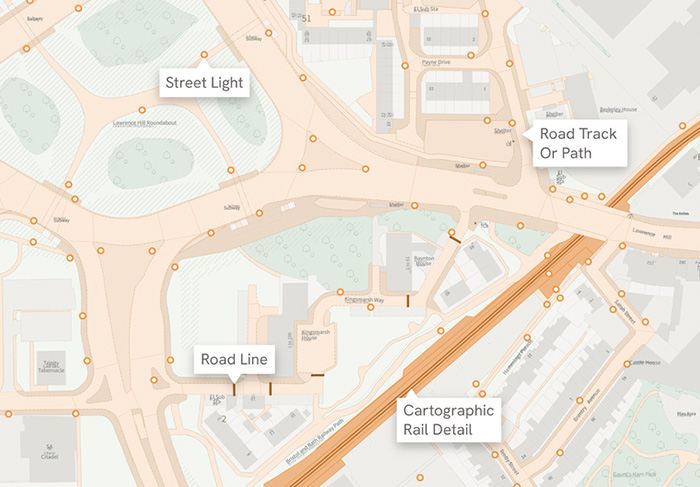
OS NGD Explained: A beginner’s guide to Ordnance Survey’s National Geographic Database
Learn what the OS National Geographic Database (OS NGD) is, how it works, and why it matters. A simple guide to Britain’s next-generation geospatial data platform.
Read Full Article-
UK geospatial data licensing - A practical guide | OS Mastermap licensing explained
Read Full Article -
Six Location Data Challenges for Consultancies | Emapsite
Read Full Article